Guides
Building a plumbing contractor service menu from seventeen package shapes
Seventeen plumbing service package shapes, each with the customer question it answers and the cap you must write before you put a price on it.
What to take away
- These are seventeen package shapes, not seventeen products. Each one is a scope you fill with your own work, your own caps, and your own price.
- Every shape below carries the customer question it answers and the item most likely to blow the fixed price. Those two fields are what make a package survivable.
- Do not adopt all seventeen. Pick the three or four that match work you already do well and can complete in one visit.
- Nothing here states what a permit, a code, or a credential requires. Those answers come from your local code official and your state board, and they differ between neighboring towns.
- Price each shape from your own recorded times after you have run it a dozen times, not before.
How to read the list
Each entry gives the shape, the question a customer is actually asking when they buy it, and the cap you have to write before you publish it. The design reasoning behind the caps and the option ladder is in the guide to packaging plumbing work for customers.
A package without a written cap is an unlimited liability sold at a fixed price. Write the cap first, then the price.
Diagnostic and inspection shapes
- Whole-home plumbing assessment.The customer question is whether anything else in the house is about to fail. Cap it by naming which fixtures and systems are examined and stating that the finding is a visual and functional assessment rather than a guarantee.
- Pre-purchase plumbing inspection.Bought by someone deciding whether to buy a house. The deliverable is a written report on a deadline, so cap the turnaround and state clearly what the inspection cannot establish about concealed piping.
- Sewer lateral camera survey.Answers whether the line under the yard is sound. Cap the accessible length, state what happens when the camera cannot pass, and say whether a locate is included.
- Leak location visit.Answers where the water is coming from. This is the shape most often given away for free, and the one with the highest skill content. Cap the time on site and state the credit policy against repair work, then apply it consistently.
- Water heater condition check.Answers how long the unit has left. Cap it to inspection and adjustment, and keep replacement quoting as a separate step so the customer does not read the visit as a sales call.
Repair and restore shapes
- Single fixture repair, fixed price.Answers what this will cost in total. Cap the number of fixtures and state the exclusion for concealed damage found behind the wall.
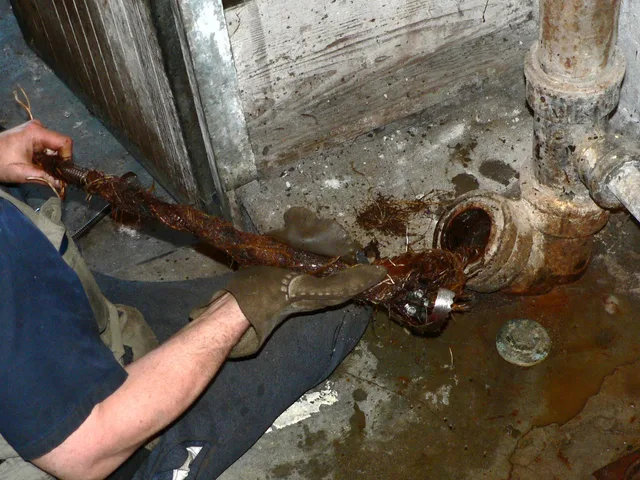
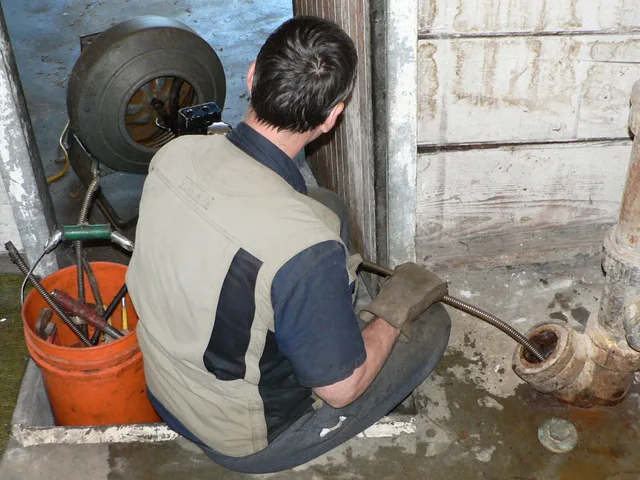
- Drain clearing with a return period.Answers whether it will block again. Cap the number of lines and the access points, and write the return conditions with the package rather than describing it as guaranteed.
- Drain clearing plus camera.The same work with evidence attached. Answers whether the blockage is a habit or a defect. Cap the survey length and state what happens if the camera reveals a break.
- Emergency response visit.Answers whether someone will come now. Cap the hours it covers and the work included on the first visit, and make the schedule cost visible in the price rather than hoping volume absorbs it.
- Water heater replacement, supplied and fitted.Answers what a full swap costs. Cap the model class, the connection type, and the disposal, and be explicit about who handles the permit and inspection where one applies.
- Shutoff and isolation valve upgrade.Answers how the household stops a future flood. A good companion to almost any repair because it shortens every visit that follows.
Prevention and recurring shapes
- Seasonal readiness visit.Answers what to do before the weather turns. Content varies enormously by climate, so define it around your own territory rather than copying a list written elsewhere.
- Annual maintenance agreement.Answers how to stop being surprised. Cap the number of visits and the work included per visit, and state what priority scheduling actually means in hours.
- Rental property turnover check.Sold to landlords and managers between tenancies. Answers whether the unit is ready. Cap it per unit and state the reporting format, because the buyer needs a document more than a conversation.
- Commercial kitchen drain program.Recurring line maintenance on a schedule. Answers how a food business avoids a shutdown. Cap the number of lines and state the access window, since access is the item that breaks these agreements.
- Backflow assembly testing and reporting.Where this applies to your customers, the deliverable is a filed report as much as a test. Confirm with the water purveyor who may perform it, what has to be submitted, and on what schedule, then build the package around their answer rather than around the test itself.
- Multi-property portfolio agreement.For a customer with several buildings. Answers how one person keeps track. The value here is reporting and a single point of contact, so cap the response time and state how it is measured.
Choosing the three or four that fit you
Run each candidate through two filters before it goes on the page.
Two filters before it goes on the page
Can you complete it in one visit with today's truck stock?
keep the shape, or restock the truck
restock or drop the shape
- Can you complete it in one visit with the truck as it is stocked today? If not, either restock or drop the shape. The stocking decisions behind that are covered in the equipment and setup guide.
- Does it score well on contribution per hour of your constrained resource, once the unbilled hours are included? Use the method in the ranking of which plumbing services actually pay rather than intuition.
Whether there is enough of a given kind of work near you is a territory question, and the way to test it is set out in the market selection method for a plumbing contractor business.
What you may say when you publish them
Everything on this page becomes advertising the moment it is on your site. The Federal Trade Commission's advertising guidance for small business requires claims to be truthful and capable of substantiation, and requires an offer's conditions to sit with the offer.
Three habits that keep the list defensible
- Name what is excluded next to what is included
- Attach conditions to any return period or warranty
- Keep conditions in the same block of text
- Avoid complete or total unless it genuinely is
- Handle excavation, confined space and hot work obligations first
Packages with excavation, confined space entry, or hot work carry obligations that must be handled before the work is sold.
Use the program structure in the Occupational Safety and Health Administration's recommended practices for safety and health programs to build those controls into the definition.
Keeping the list honest
Review the packages against completed jobs twice a year. For each shape, check how often the cap was reached, how often scope changed verbally on site, and whether recorded hours match the price assumption.
That review depends on job records you can query. This is the operational reason the recordkeeping standard the Internal Revenue Service describes in what records a business should keep matters outside tax season.
Delete anything that has not sold. A package nobody buys is telling you the question it answers was not one your customers were asking. The definitions underneath all of these sit in the services and packages structure.
Common questions
Should I publish all seventeen?
No. A long menu makes every conversation a comparison exercise, and it guarantees that most of the list is never maintained.
Can I copy the caps from another company?
The shapes travel; the caps do not. A cap has to reflect your own crew, truck, and territory, and a borrowed one will be wrong in a way you discover on the job.
Do these work for commercial customers?
The recurring shapes do, with different reporting. Commercial buyers are usually buying documentation and response time as much as the work itself, so build those into the definition.
What if a customer wants a package I do not offer?
Quote it as separate services. If the request repeats, you have found a shape worth defining properly rather than improvising.