Guides
Hydro Jetting vs Drain Snaking: Which Method Clears the Line Faster?
Hydro jetting vs drain snaking comes down to what is blocking the line and what the pipe can survive. We compare cost, speed, limits and pipe material.
What to take away
- A cable machine wins on most single-fixture clogsit is faster to set up, cheaper to own, and it cuts through roots and solid obstructions that water alone will not move.
- Hydro jetting wins on grease, sludge and scale that coat the whole pipe wall, and it is the only one of the two that restores full diameter on a long horizontal run.
- Neither method fixes a collapsed pipe, a bellied line or a break. Both can pass a blockage and leave the real defect in place.
- Speed is mostly a function of access, not the toola cleanout at the stack beats a toilet pull every time.
- Anyone entering a sewer manhole falls under OSHA permit rules before the jetter hose goes in. See confined space entry requirements.
The two methods, defined by what they do to the pipe
A drain snake, also called a cable machine or auger, is a steel cable with a cutting head that rotates inside the line. It breaks up or grabs the obstruction and pulls material back to the access point. The mechanics of a plumber's snake are simple: torque at the head, not water volume.
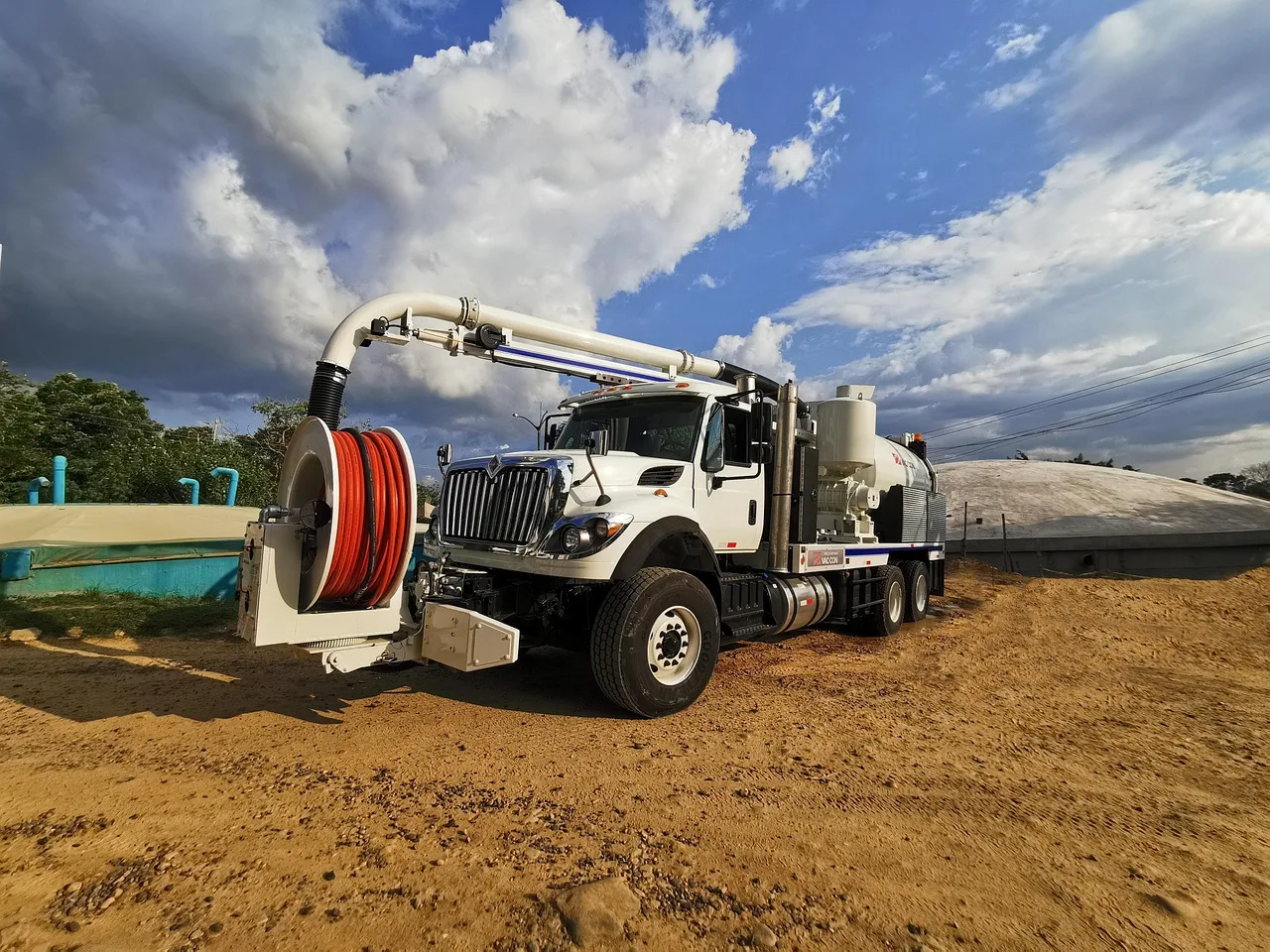
Hydro jetting pushes water at high pressure through a hose with a rear-facing nozzle. The jet scours the pipe wall and flushes debris downstream. Pressure typically runs 1,500 to 4,000 psi at the pump, with flow rates that matter as much as pressure.
Those are different jobs. One cuts, the other washes.
Criteria that decide the call
Cable machine
- Typical equipment cost (illustrative, US)
- $400 to $3,500 for sectional and drum machines
- Setup and teardown
- 5 to 15 minutes
- Best obstruction
- Roots, rags, solid objects, soft blockages
- Pipe condition risk
- Low, but cable can bind in fragile pipe
- Line length handled well
- Short runs, stacks, branch lines
- Labor rate context (illustrative)
- $95 to $200 per hour in most US metros
Hydro jetter
- Typical equipment cost (illustrative, US)
- $3,000 to $12,000 for trailer or skid units, higher with a water tank
- Setup and teardown
- 20 to 45 minutes, plus water supply
- Best obstruction
- Grease, sludge, sand, scale, soap
- Pipe condition risk
- High on old clay, Orangeburg or cracked cast iron
- Line length handled well
- Long horizontal mains, 100 feet and beyond
- Labor rate context (illustrative)
- $150 to $350 per hour where jetting is a specialty
Those labor ranges are illustrative, drawn from published service pricing in large US metros, not a quoted national average. Your market sets the number.
Where each method wins
A cable machine is the right answer for a second-floor bathroom sink that will not drain, a toilet clogged with a solid object, or a stack with a root mass at the joint. It is also the right answer when the pipe is old and fragile, because you control how much force reaches the wall.
A jetter is the right answer for a restaurant grease line, a long kitchen main in a 1920s Cleveland four-square, or a floor drain that has silted up over decades. It is also the right answer when the customer wants the line cleaned, not just opened.
A snaked line is open. A jetted line is clean. Those are not the same invoice.
For pricing either job, the flat, hourly and per-foot formula shows how to build a number that survives a slow week.
Where the money actually sits
Equipment cost is the easy part. A sectional cable machine pays for itself in a few months of service calls. A jetter is a capital decision that only makes sense if you already run enough main-line work to keep it busy.
Operating cost splits the other way. Cables wear and break, and a broken cable in a line is a bad afternoon. Jetters burn water, fuel and nozzle wear, and they need a water source that many residential calls do not have on site.
If you are adding a second truck, the training checklist for a new plumbing contractor employee covers the safety and setup sequence before anyone runs either machine alone.
What neither method solves
Both methods clear a blockage. Neither repairs a defect. A bellied line, a cracked cast iron hub, a root intrusion that has deformed the pipe, or an offset joint will clog again, often within weeks.
That is the shared limitation, and it is the one customers hear last. Camera inspection after either method is what separates a real diagnosis from a repeat call.
Neither method is safe to run blind in a line you have not assessed. Jetting a deteriorated clay line can blow a hole in it. Snaking a line with a collapsed section can drive the cable into the break.